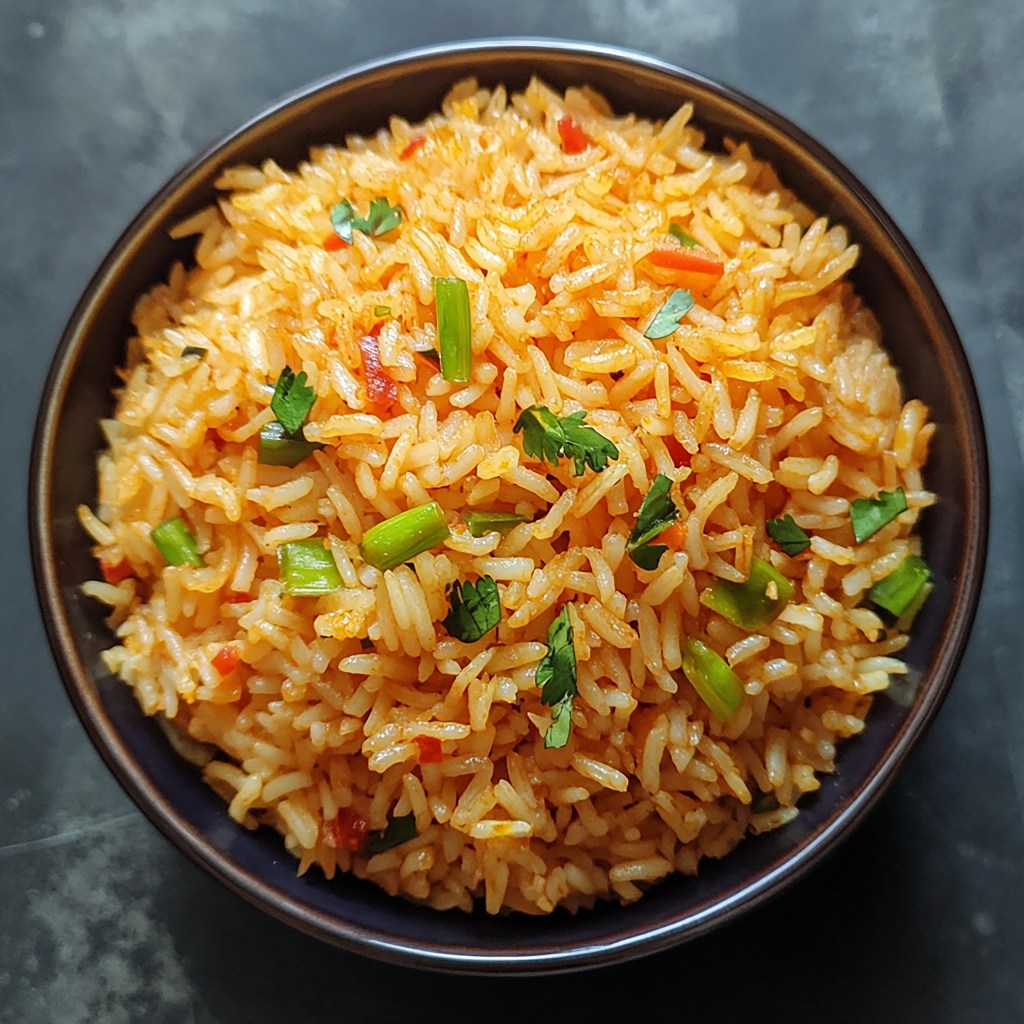
Eritrean cuisine is rich in spices and deeply influenced by Mediterranean, Middle Eastern, and East African flavors. While injera and tsebhi (stews) are staples, rice dishes are also common, especially for festive occasions and coastal communities
Essential Ingredients
Before diving into recipes, stock up on these essentials:
• Basmati or long-grain rice – preferred for its fragrance and texture
• Berbere spice mix – a key Eritrean seasoning (spicy and aromatic)
• Niter kibbeh – spiced clarified butter
• Tomatoes and tomato paste
• Garlic, onion, and ginger
• Vegetables (carrots, peas, potatoes)
• Protein – chicken, lamb, or lentils
• Cinnamon, cardamom, cloves – often used for aroma
Cooking Tips for Beginners
• Soak the rice: Soak basmati rice for 20–30 minutes to reduce cooking time and prevent breakage.
• Use the right water ratio: For basmati, 1 cup rice = 1.5–2 cups water (depending on stove top or rice cooker).
• Sauté your base well: Onion, garlic, and tomato form the flavor base. Cook until caramelized for depth.
• Don’t rush the spices: Toast spices or mix them into the oil/butter to “bloom” the flavors before adding liquids.
• Let it rest: After cooking, let rice rest with the lid on for 5–10 minutes for perfect texture.
Simple Eritrean-Inspired Rice Recipe
Spiced Tomato Rice (Eritrean Style)
• Sauté chopped onion, garlic, and a tablespoon of berbere in niter kibbeh.
• Add tomato paste and chopped tomatoes; cook until thick.
• Stir in washed rice, salt, and 1.5 cups water per cup of rice.
• Simmer covered until rice is done; garnish with fresh parsley.
With these tips and tricks, cooking Eritrean rice dishes at home can become a delightful adventure that brings the essence of Eritrean cuisine into your kitchen. Enjoy the journey!
 NAVYAA FOODS
Leave a comment